Introduction
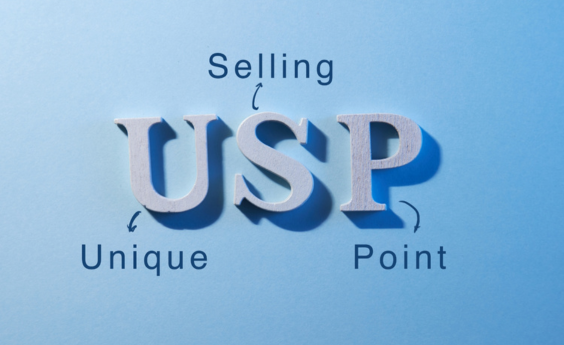
In today’s competitive business landscape, standing out from the crowd is essential for success. Whether you’re a startup or an established small or medium-sized enterprise (SME), identifying and effectively leveraging your Unique Selling Proposition (USP) can be the key to attracting and retaining customers. Your USP differentiates you from competitors and defines your business’s unique value.
At Ankobros, we specialize in helping businesses discover their competitive edge and develop robust marketing strategies that capitalize on their strengths. This blog will guide you through identifying and leveraging your USP to drive growth and customer engagement.
1. What is a Unique Selling Proposition (USP)?
A USP is the distinctive factor that sets your business apart. It answers, “Why should customers choose you over your competitors?” A strong USP is:
Clear and Concise: Easily understood by customers.
Customer-focused: Addresses a specific problem or need.
Differentiating: Highlights what makes your business unique.
For example, a coffee shop’s USP might be “Organic, fair-trade coffee served within 60 seconds,” emphasizing quality, ethics, and speed.
2. How to Identify Your Business’s USP
Step 1: Understand Your Target Audience
Your USP should be centered around what matters most to your customers. Consider:
What are their most significant pain points?
What motivates them to make a purchase?
What problems does your product or service solve?
At Ankobros, we help businesses conduct in-depth market research and customer analysis to uncover key insights about their audience.
Step 2: Analyze Your Competitors
You need to understand your competitors’ strengths and weaknesses to stand out. Look at:
Their marketing messages and branding.
Their pricing, services, and unique features.
Customer reviews to identify gaps or common complaints.
You can position your business as the better alternative by pinpointing where competitors fall short.
Step 3: Identify Your Strengths
Ask yourself:
What does my business do better than anyone else?
Do I offer faster service, better quality, exclusive features, or lower prices?
Is there a unique story behind my brand?
Your biggest strength, combined with what customers care about most, forms the foundation of your USP.
3. How to Leverage Your USP Effectively
In Marketing and Branding
Your USP should be front and center in all your marketing efforts. Use it in:
Your website homepage and product descriptions.
Social media profiles and advertising campaigns.
Email marketing and customer outreach.
In Customer Experience
Ensure that your USP is reflected in every interaction with customers. For example, if your USP is “Exceptional customer service with 24/7 support,” you must consistently deliver on that promise.
In Sales and Pricing Strategies
Use your USP to justify pricing and value. If your product is priced higher than competitors, highlight what makes it worth the investment—premium quality, faster delivery, or exclusive benefits.
Final Thoughts
Your Unique Selling Proposition is what makes your business memorable and compelling. By understanding your audience, analyzing competitors, and identifying your strengths, you can craft a USP that drives growth and customer loyalty.
At Ankobros, we help businesses develop strong USPs and implement strategies that turn their unique strengths into competitive advantages. Contact us today if you’re ready to refine your business’s USP and stand out in your industry.
#BusinessStrategy #USP #CompetitiveAdvantage #MarketingTips #BrandDifference #Ankobros #GrowthStrategy #CustomerEngagement